

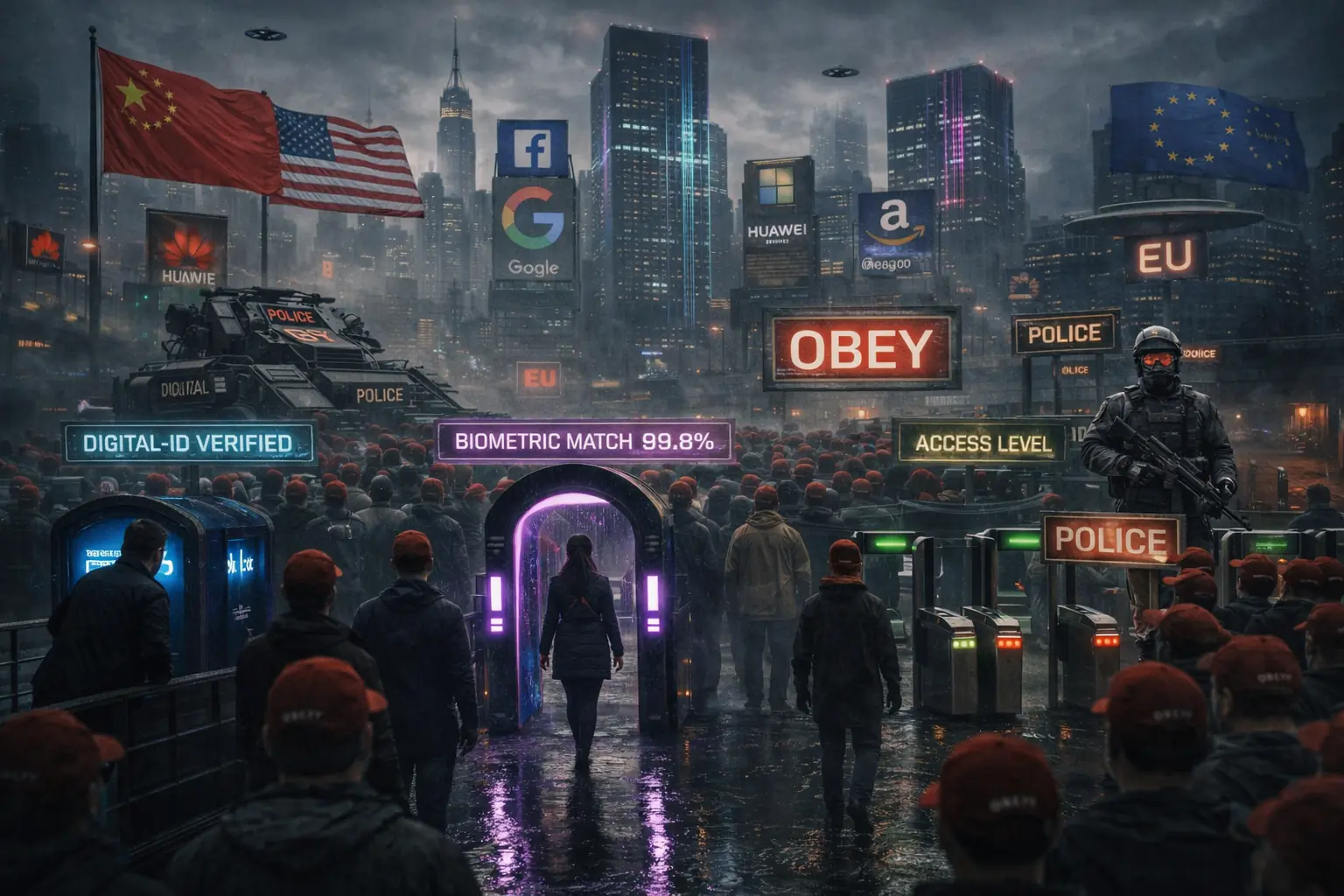
Technocapitalism and the Authoritarian Convergence
When freedom becomes management
We are moving through a silent yet radical transformation of the very idea of freedom. It is no longer individual self-determination, the right to choose your own path even when it’s wrong, but rather optimized behavior inside intelligent systems that allow you to move only within predetermined margins—those that do not destabilize the system’s overall equilibrium. Freedom is being redefined: from an inalienable right to a controlled variable.
We are not talking about classic repression. We are talking about a technocratic model that replaces democratic consent with algorithmic management of the collective, justified every time by an irresistible triad: efficiency, security, systemic well-being.
Technocapitalism: the convergence between Beijing and Silicon Valley
China and Big Tech built the same apparatus starting from ideologically opposite directions, yet converging toward the same destination. China did it explicitly, without masks: pervasive surveillance, “governance-by-score” experiments, predictive policing that turns suspicion into a certified decision.
Silicon Valley built the same architecture implicitly, masking it as consumer service: surveillance capitalism sold as personalization, behavioral modification marketed as choice optimization, the loss of privacy framed as convenience. The technical infrastructure is identical: total behavioral data capture, predictive modeling, automated nudging, algorithmic enforcement through differentiated visibility.
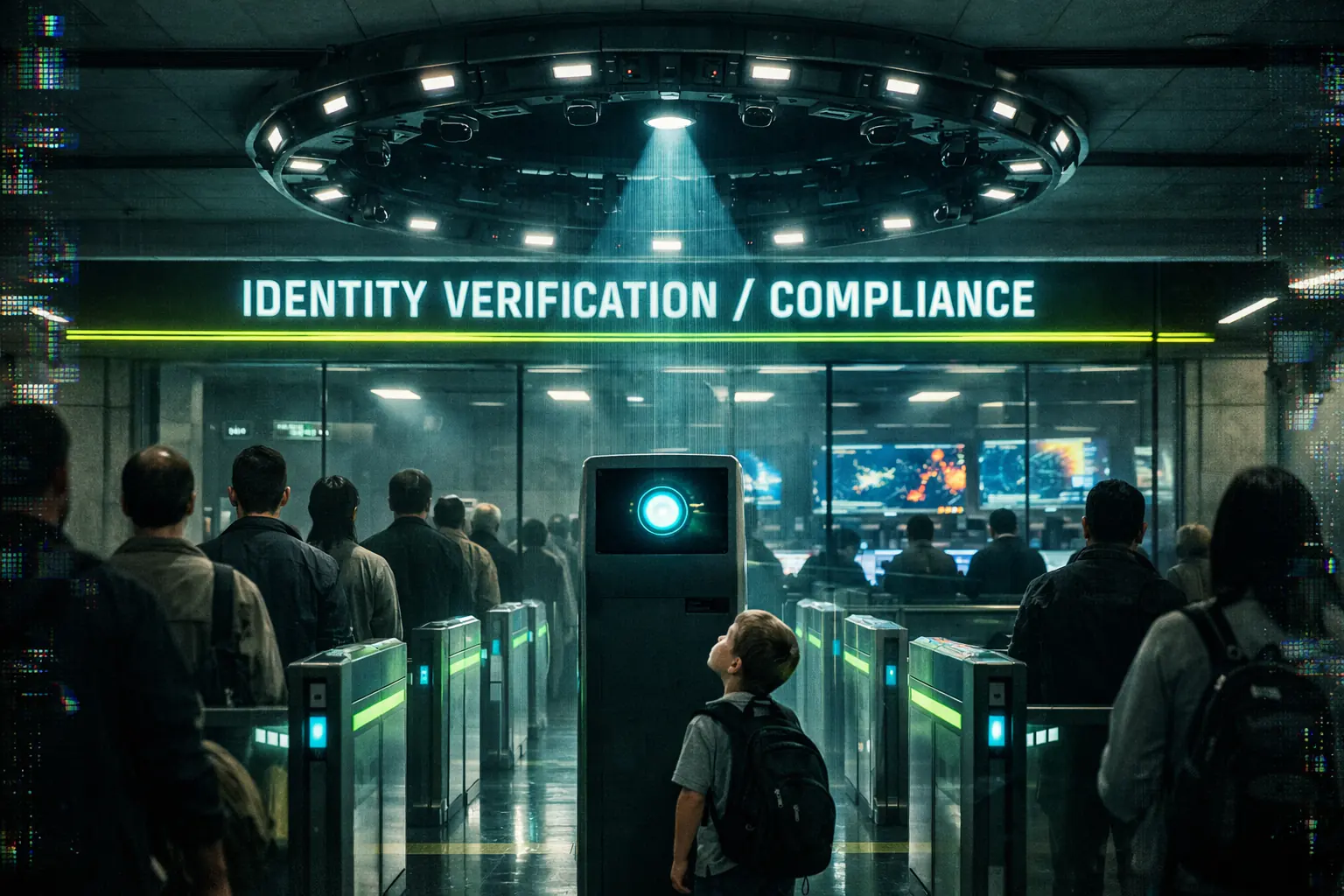
WeChat is not a messaging app like WhatsApp or Telegram. It is an operating system for everyday life: payments, services, digital identity, access to public functions. Users don’t resist because they are functionally dependent on it—without the platform you don’t pay, you don’t travel, you don’t access essential services. No physical prison, only frictionless consequences that steer you toward preselected choices without you perceiving the steering.
The architecture of social control
Algorithmic censorship operates through structural invisibility, and it’s precisely that invisibility that makes it so effective. Shadow banning keeps your content technically “alive”—so you can’t accuse anyone of censorship—but buries it so deep in the informational ocean that it can’t circulate, aggregate, find others who think like you, or become a collective movement.
You are not censored in the classic sense: you are made statistically irrelevant. Dissent is sterilized by preventing it from spreading.
Technocapitalism and the State-Software: the end of the public/private divide
The fusion between state apparatus and private corporations is no longer theory: it is an operational supply chain. In 2025, ICE awarded Palantir a $30 million contract for a platform that cross-references databases and produces operational priorities. Meanwhile, mobile biometric identification tools move the boundary: you are not “checked” as an exception—you are scanned as routine.
Clearview AI fueled the industrial logic of facial recognition by building a planetary-scale archive through non-consensual image scraping. And as programmable digital currencies advance across dozens and dozens of countries, money turns into executable policy: spendable only where, when, and on what the code allows.
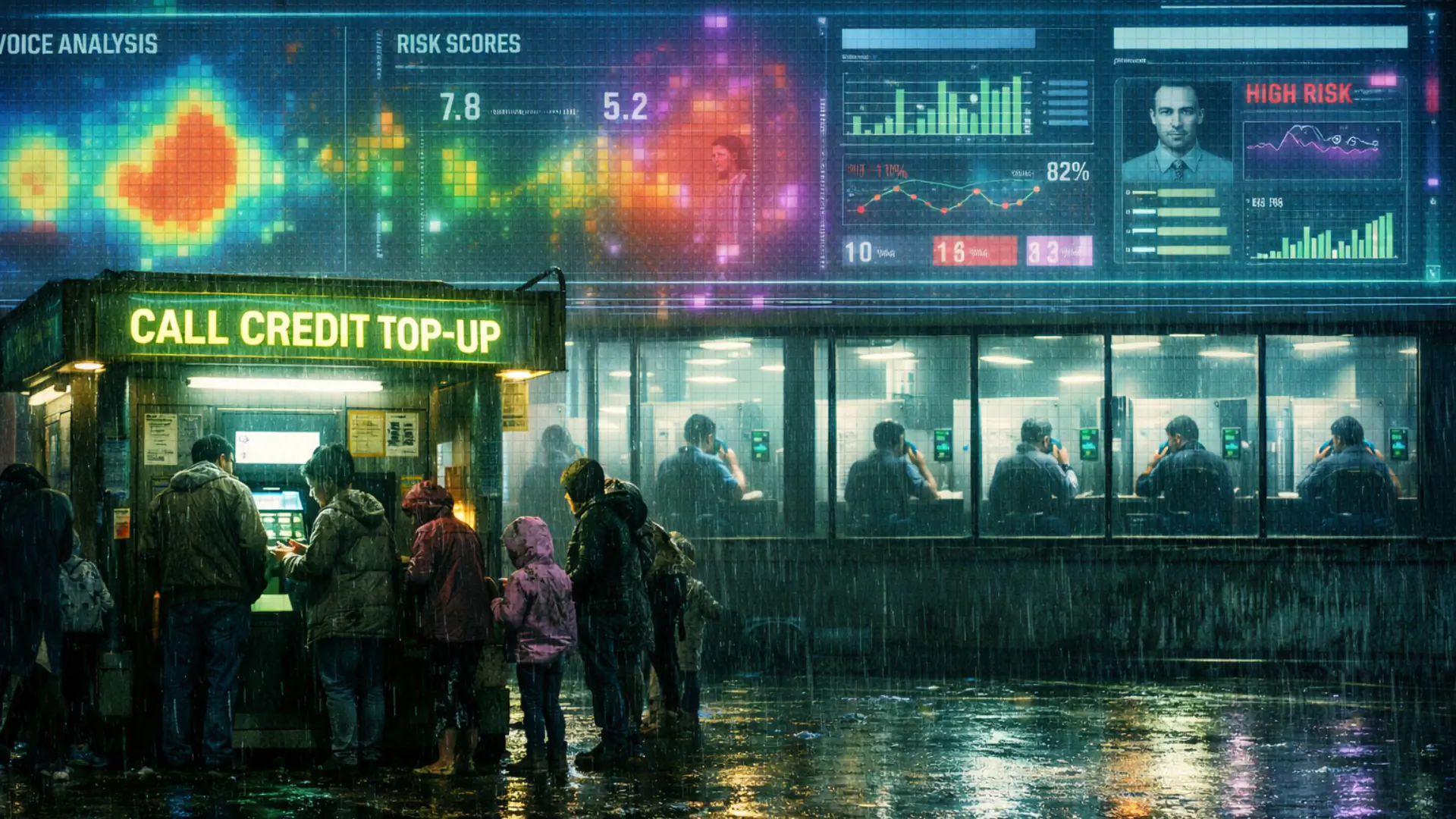
The seduction of efficiency
We must acknowledge an uncomfortable truth: this system advances because it works. It reduces friction, accelerates decisions, optimizes services, produces measurable outcomes. And efficiency—pure, demonstrable—becomes the self-sufficient justification that erodes every ethical and constitutional resistance.
You are not forced with violence—you are nudged toward “optimal” choices. Not explicitly censored—you are de-amplified until you become an echo in the void. Not formally stripped of the vote—but channeled into a pre-optimized menu where the tolerated range of dissent has already been calculated, tested, limited.
The decisive crossroads
The question that will define this century is brutally simple: will we accept convenience as an adequate substitute for freedom? Will we trade self-determination for efficient services? Will we delegate the fundamental decisions of existence to systems that “know better” than we do what we need to be happy, productive, safe?
This is not a future dystopia. It is an operational present. And it doesn’t arrive with tanks in the streets, but with elegant apps that simplify life, with invisible algorithms that anticipate needs, with systems that work so damn well you stop asking what you lost along the way.
Read more
Sources — Technocapitalism
- ICE Is Paying Palantir $30 Million to Build “ImmigrationOS” — Caroline Haskins, WIRED
- Rights Organizations Demand Halt to Mobile Fortify, ICE’s Handheld Face Recognition — EFF Staff, Electronic Frontier Foundation
- Dutch regulator slaps Clearview AI with $33 million fine — Jay Peters, The Verge
- Central bank digital currency momentum growing, study shows — Tom Wilson, Reuters
- Canada Begins To Release Frozen Bank Accounts Of ‘Freedom Convoy’ Protestors — Siladitya Ray, Forbes
- DFAT Country Information Report: People’s Republic of China (estimate of “600+ million” cameras) — Australian Department of Foreign Affairs and Trade
- China’s Social Credit System in 2021 (joint rewards and punishments) — Katja Drinhausen, MERICS
- An end to shadow banning? Transparency rights in the EU’s DSA — Pieter Leerssen, Computer Law & Security Review